
Reviews
Urban Flow succeeds by focusing on core movement mechanics without unnecessary complexity. The stage design gradually introduces new obstacles, ensuring players develop skills naturally. Collectible items add replay value without feeling mandatory. The visual style is clear and functional, helping players read each layout quickly. Progression feels satisfying as each unlocked area presents fresh combinations of challenges. This is a solid choice for anyone who enjoys precision-based platforming in a browser-friendly format.
About this game
Core Movement System
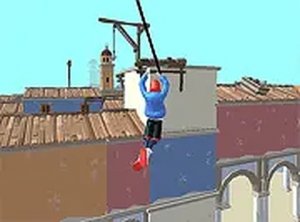
Urban Flow centers on controlling a character who moves through environments filled with barriers, platforms, and gaps. Players use keyboard inputs to direct the character's path, deciding when to leap, climb, or shift direction. The challenge lies in chaining these actions smoothly to maintain momentum. Each stage presents a unique arrangement of obstacles, requiring players to assess the layout before acting. Success depends on understanding how the character responds to each command, as timing windows vary for different actions. The game rewards those who can adapt quickly to changing conditions without relying on memorized sequences.
Stage Design Philosophy
The levels in Urban Flow are crafted to test both spatial awareness and reaction speed. Early stages introduce basic obstacles like low walls and short gaps, allowing players to learn the controls. Later stages combine multiple elements, such as high barriers followed by narrow platforms, demanding precise input. The difficulty increases gradually, ensuring players build skills over time. Each stage feels distinct due to varied obstacle arrangements, encouraging repeated attempts to find the most efficient path. The design avoids unfair surprises, instead focusing on consistent challenges that improve with practice.
Item Collection and Scoring
Scattered throughout each stage are collectible items that add a layer of strategy to the movement. Players must decide whether to prioritize speed or gather all items for a higher score. Collecting items often requires deviating from the most direct route, testing the player's ability to maintain control in less familiar positions. The scoring system rewards both completion time and item collection, giving players multiple ways to measure their performance. This dual focus keeps each playthrough engaging, as players can aim for personal bests in either category.
Visual Style and Feedback
The game uses a clean, colorful visual style that clearly communicates the position of obstacles and collectibles. Characters and environments are designed with simple shapes and bright colors, making it easy to track movement during fast sequences. Visual feedback, such as subtle animations when the character clears an obstacle, helps players understand their timing. The interface is minimal, keeping the focus on the action. This approach ensures players of all ages can quickly grasp what is happening on screen without confusion.
Progression and Unlockables
As players complete stages, they unlock access to new areas with fresh obstacle combinations. This progression system provides a sense of accomplishment and encourages continued play. Each new area introduces elements that build on previously learned skills, ensuring the challenge remains appropriate. The unlock system is straightforward, with clear indicators of what is required to advance. This structure keeps the experience goal-oriented without overwhelming players with complex menus or requirements.





Comments
Sign in to leave a review
No account? Create one
No comments yet.