
Reviews
Pathway Pursuit: Speed Runner stands out for its two well-differentiated modes. The seesaw mode requires careful weight shifting, while mountain climbing emphasizes jump timing. Both modes feel distinct and avoid repetition. The reward system for unlocking skins provides a steady incentive to improve. Controls are responsive, and the short round length makes it easy to pick up for a few minutes. A solid choice for fans of precision platformers.
About this game
Two Distinct Challenges
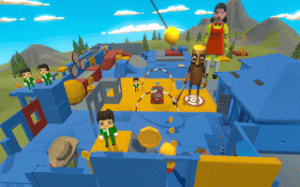
Pathway Pursuit: Speed Runner offers two separate modes that each require a different approach. In the seesaw mode, players move across platforms that tilt based on their position. Keeping the surface level while advancing demands constant adjustments. The mountain climbing mode presents steep upward paths where obstacles slide across the route and gaps require well-timed leaps. Each mode tests a different aspect of control and awareness.
Learning the Rhythms
Success in Pathway Pursuit: Speed Runner comes from understanding the timing of each obstacle. Moving barriers follow set patterns that repeat, allowing players to study their movement before crossing. The gaps in mountain climbing mode require a precise moment to clear. Rushing often leads to mistakes that cost more time than a careful approach. Regular play helps build the muscle memory needed to handle later rounds.
Rewards and Customization
Completing runs successfully earns rewards that can be used to unlock alternative appearances for the player character. This system gives players a reason to revisit modes they have already cleared, as each run contributes toward new options. The visual changes do not affect gameplay, but they allow for personal expression as players progress through the game.
Session-Friendly Design
Each round in Pathway Pursuit: Speed Runner is designed to be completed in a short amount of time. This structure makes the game suitable for quick breaks or longer practice sessions. Players can pick up the game, attempt a few runs, and set it down without losing progress. The straightforward controls mean new players can start immediately, while the increasing difficulty keeps experienced players engaged.
Building Consistency
The key to improving in Pathway Pursuit: Speed Runner is developing consistent movement patterns. Rather than trying to clear each section as fast as possible, focusing on steady progress reduces the chance of falling. Watching obstacle patterns before moving helps players anticipate changes. Over time, these habits become automatic, allowing for faster runs without sacrificing control.








Comments
Sign in to leave a review
No account? Create one
No comments yet.