
Reviews
Cube Keepaway stands out for its simplicity and polish. The core mechanic of tagging cubes is easy to learn but offers surprising depth as waves accelerate. The cheerful visuals and lack of intrusive menus make it a stress-free experience. It is ideal for casual gamers who want a quick challenge without commitment. The progressive difficulty keeps each round fresh, and the local competition aspect adds replay value. A well-crafted game that respects your time.
About this game
Core Gameplay Loop
In Cube Keepaway, players control a small character inside a colorful arena. Cubes of various sizes drift toward the player from the edges. The objective is to tag each cube before it makes contact. A successful tag sends the cube sliding away, but cubes return with increased speed in subsequent waves. The loop is simple: tag, survive, and see how long you can last. There are no power-ups or special moves, so success depends entirely on your ability to read movement patterns and react quickly. This straightforward design makes the game easy to pick up but difficult to master.
Visual Style and Atmosphere
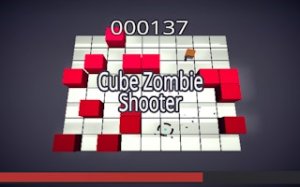
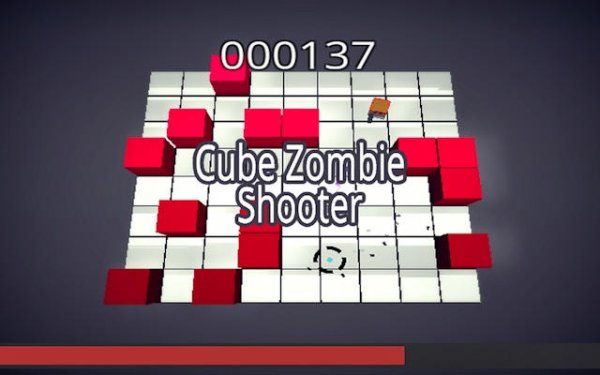
The game features bright, blocky graphics that create a cheerful and inviting environment. Colors are soft and varied, with each cube having a distinct shade that helps players track multiple threats at once. The arena itself is clean and uncluttered, allowing players to focus entirely on the approaching cubes. There are no distracting backgrounds or flashy effects. This minimalist approach ensures that the game remains accessible to players of all ages and skill levels. The overall presentation is friendly and non-threatening, making it suitable for family play.
Difficulty Progression
As waves progress, cubes move faster and may approach from more directions. Early waves are slow, giving new players time to learn the tagging rhythm. Later waves require quicker decisions and more precise timing. The difficulty curve is smooth, with each wave offering a noticeable but manageable increase in speed. This gradual ramp-up keeps the game challenging without becoming frustrating. Players who survive longer will face cubes that move in unpredictable patterns, requiring constant attention and adaptation. The game does not include any sudden difficulty spikes, ensuring a fair experience for everyone.
Controls and Accessibility
Cube Keepaway uses standard keyboard and mouse controls. Players move their character with the arrow keys or WASD, and tag cubes by clicking the mouse. The controls are responsive and intuitive, allowing players to focus on strategy rather than complex inputs. There are no tutorials or menus to navigate; starting a round is immediate. This design makes the game ideal for short breaks or for players who prefer a no-fuss experience. The simple control scheme also means that the game is accessible to younger players and those who may not be familiar with more complex gaming interfaces.
Replay Value and Competition
The primary motivation to keep playing is the desire to beat your own best survival time. Each round is short, typically lasting a few minutes, which encourages repeated attempts. Players can challenge friends or family members to see who can last the longest, adding a friendly competitive element. The game does not include leaderboards or online features, so the competition remains local and personal. This focus on self-improvement and casual competition makes Cube Keepaway a great choice for social gatherings or quiet solo sessions. The lack of in-game purchases or ads ensures an uninterrupted experience.




Comments
Sign in to leave a review
No account? Create one
No comments yet.