
Reviews
Feelings Puzzle Quest succeeds by adding a meaningful layer to a classic pastime. The puzzles are engaging without being frustrating, and the emotional recognition component feels natural, not forced. The gradual difficulty curve respects the player's pace, making it ideal for both children and adults. The lack of pressure or competition creates a calm atmosphere where learning happens organically. For families looking for a game that is both fun and beneficial, this is a strong choice.
About this game
Puzzle Meets Emotional Learning
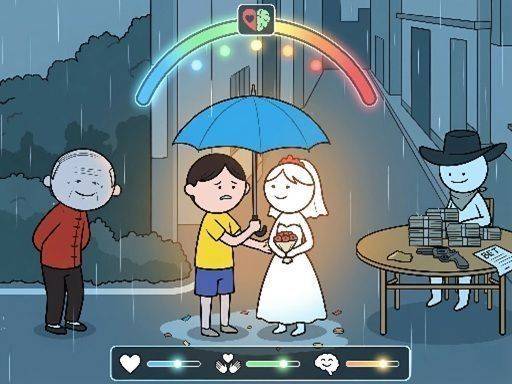
Feelings Puzzle Quest takes the familiar act of putting together a jigsaw and adds a layer of emotional discovery. After each image is assembled, the game asks what feeling is being expressed. This simple addition turns a standard puzzle into a tool for building empathy. The images show faces and scenes that convey a range of human emotions, from happiness to surprise. Players learn to read subtle cues in expressions and settings, making each completed puzzle a small lesson in understanding others.
Step-by-Step Play
Starting a session is straightforward. A set of pieces appears in a shuffled arrangement. You drag and connect them to form a complete picture. Once the image is whole, a question appears asking you to identify the emotion shown. Several icons representing different feelings are displayed. Selecting the correct one earns points and unlocks the next challenge. The controls are simple enough for young players to grasp quickly, and the pace is gentle, allowing for thoughtful observation.
Gradual Difficulty and Variety
As you advance, the puzzles become more detailed and the emotional cues more subtle. Early levels feature clear, single-emotion faces. Later stages introduce scenes with multiple characters and mixed feelings, encouraging deeper analysis. The game may include different themes, such as everyday situations or seasonal events, to keep the experience fresh. This gradual increase in complexity ensures that players are neither bored nor overwhelmed, making steady progress feel rewarding.
Safe and Inclusive Design
The content is carefully crafted to be appropriate for all ages. No scary or violent imagery appears. The focus remains on positive emotional education. The interface uses bright colors and friendly icons. There are no timers or penalties for wrong answers, which reduces pressure and encourages exploration. This makes the game suitable for family play, where children and adults can learn together in a non-competitive environment.
Building Skills Beyond the Screen
Regular play can improve observation, patience, and the ability to recognize feelings in others. These skills transfer to real-life interactions, helping players become more attentive and considerate. The game does not lecture or preach; it simply presents puzzles and lets the learning happen naturally. By repeatedly associating visual cues with emotional labels, players strengthen their emotional vocabulary and understanding.







Comments
Sign in to leave a review
No account? Create one
No comments yet.